
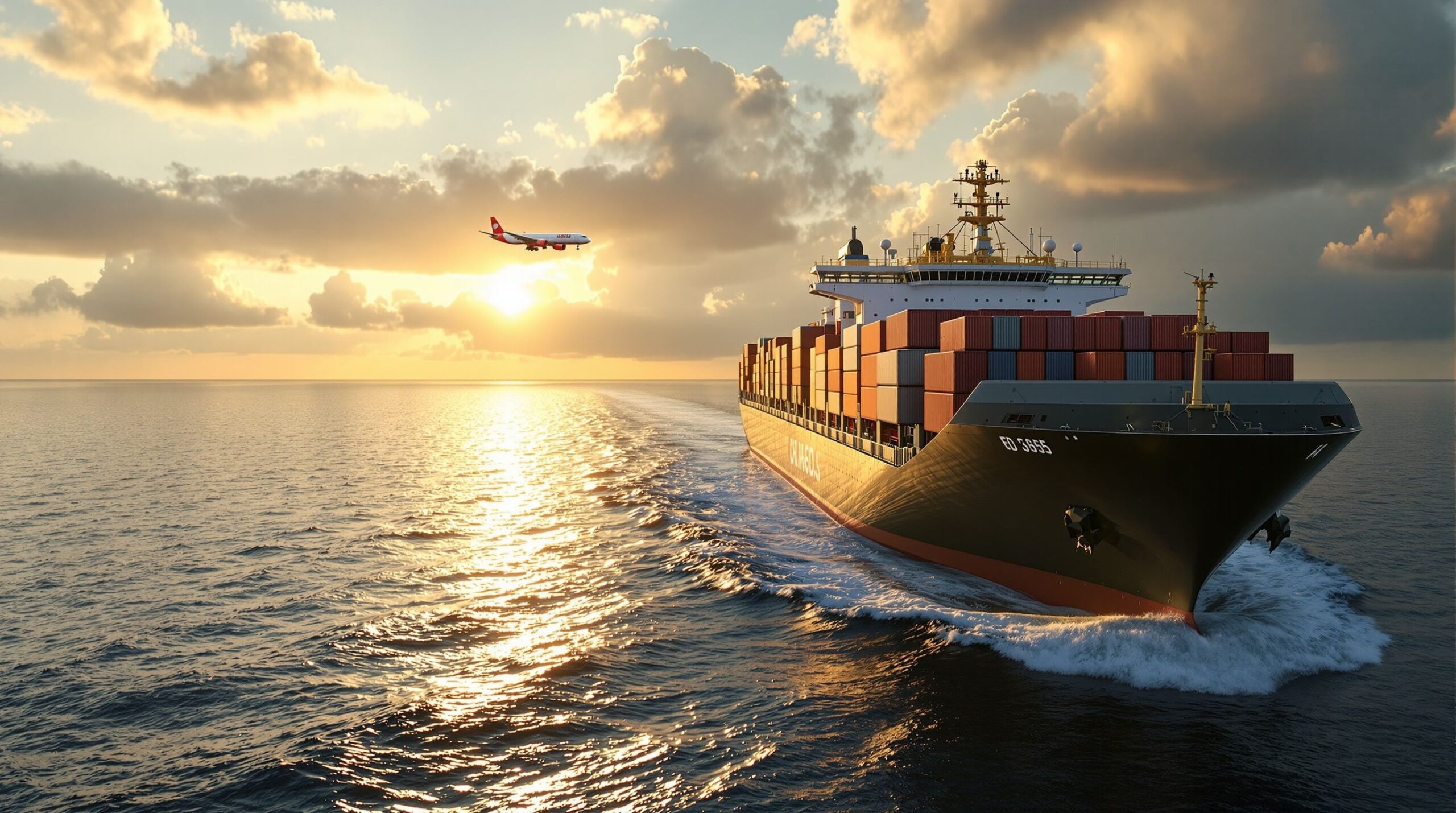
Marine and Aviation Insurance sits at the crossroads of global trade, exploration, and high-stakes transportation, covering industries where risk is constant and conditions can change in an instant, from cargo ships navigating vast oceans to aircraft connecting continents in hours. This sub-category is designed to unpack the specialized coverage that keeps maritime and aviation operations moving forward with confidence, explaining how insurance adapts to challenges like international waters, complex liability chains, mechanical exposure, extreme weather, and regulatory requirements that span multiple countries. Within this section, you’ll explore how policies protect valuable cargo, safeguard vessels and aircraft, and manage liability for operators, crews, owners, and supporting businesses that operate in some of the most demanding environments on earth. Marine and aviation insurance plays a critical role in stabilizing industries that power the global economy, offering structure and security where uncertainty is unavoidable. Our articles break down essential concepts in a clear, practical way, helping business owners, operators, investors, and curious learners understand how coverage works behind the scenes, from foundational protections to emerging risks shaping the future of global transportation.
A: Usually yes—coverage forms, carriers, and underwriting differ, but brokers can coordinate both.
A: Missing documentation—maintenance logs, incident details, invoices, and proof of value.
A: No—exclusions still apply (wear/tear, corrosion, mechanical breakdown, certain war/sanctions issues).
A: They define where/when you can operate; going outside the boundary can create coverage disputes.
A: Marine liability coverage for third-party injury/property damage and related legal exposures.
A: It can cover damage to aircraft in your care/custody/control (common for facilities and service providers).
A: Typically no—commercial/charter use usually requires specific forms and higher limits.
A: Value, usage, operator experience, routes/territory, loss history, safety programs, and equipment type are major factors.
A: It depends on passengers, contracts, assets at risk, and venues—match limits to worst-case scenarios and lender requirements.
A: Keep logs pristine and current—maintenance, training, inspections, and incidents—because it protects both safety and claims.