
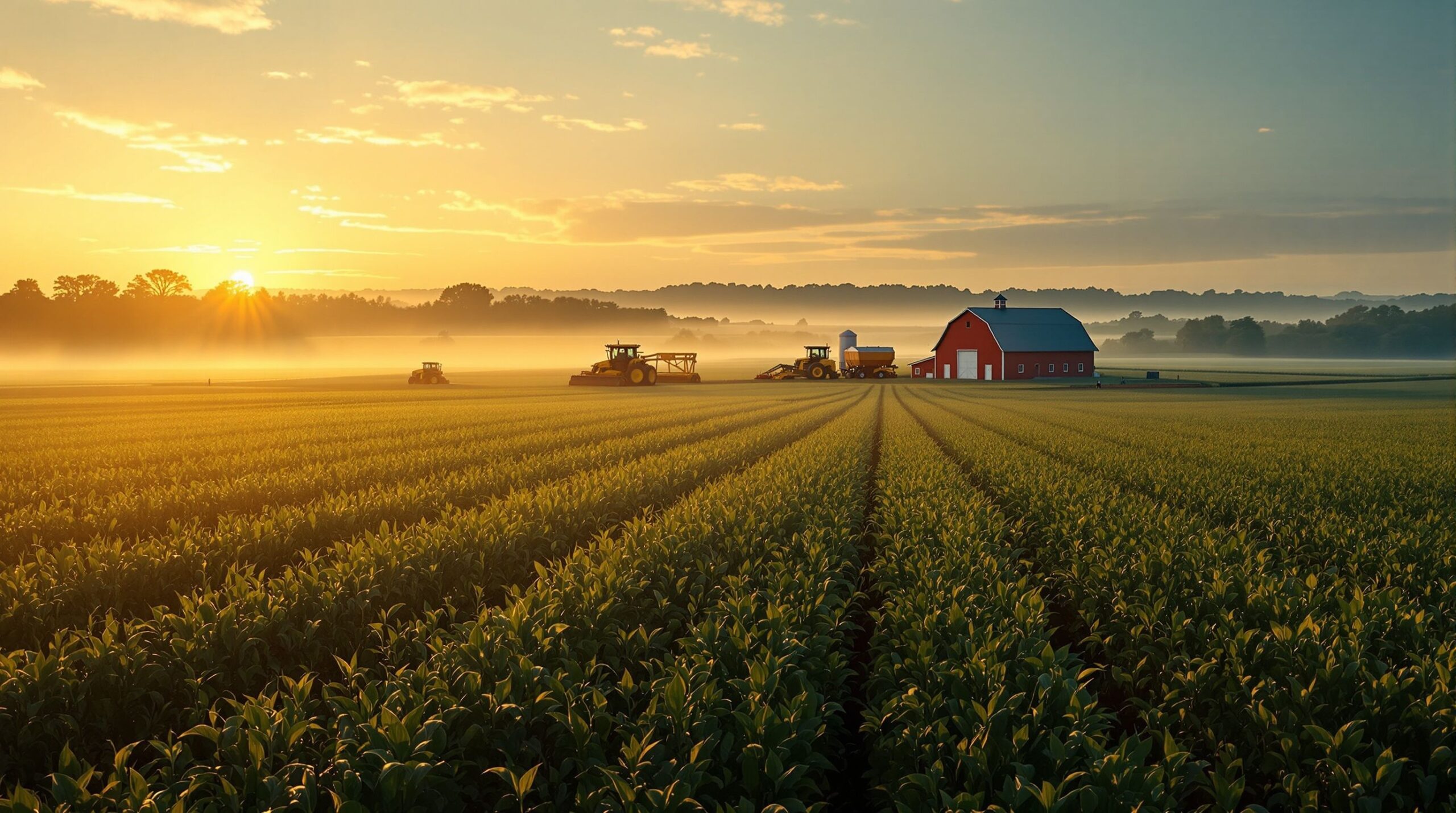
Agricultural and Farm Coverage is built around protecting the land, equipment, livestock, and livelihoods that keep food systems and rural communities thriving. Farming and ranching come with a unique mix of tradition and modern risk, where weather, markets, machinery, and biological factors can all shift without warning. This sub-category explores how specialized insurance supports operations of every size, from family-owned farms to large-scale agricultural enterprises, by addressing exposures that standard policies often overlook. Within this section, you’ll learn how coverage can help manage risks tied to crops, livestock, buildings, equipment, vehicles, and liability, while also accounting for seasonal cycles and long-term investment in the land. Our articles break down how agricultural insurance adapts to changing conditions, emerging technology, and evolving regulations, offering practical insight for farmers, landowners, and agri-business professionals. Whether you’re safeguarding a multi-generational operation or expanding into new production, this collection highlights how the right coverage provides stability, resilience, and confidence, allowing producers to focus on stewardship, productivity, and growth in an industry where preparation is just as vital as hard work.
A: Yes—farm policies typically combine home, farm structures, equipment, and farm liability tailored to agricultural risks.
A: High-value equipment and specialized buildings—those are hardest to replace and often have coverage limits.
A: Sometimes—road travel and off-premises use may require specific endorsements or farm auto coverage.
A: Not always—coverage can be limited by cause of loss, per-head limits, and whether animals are for breeding, sale, or work.
A: You may need product liability and higher premises liability—especially if the public visits the property.
A: Usually yes—public-facing activities often require endorsements due to increased injury exposure.
A: That’s typically handled by separate crop insurance programs/products, not standard farm property coverage.
A: Flood, gradual wear/tear, many pollution events, and certain “business” activities unless endorsed.
A: Keep inventories, photos, maintenance logs, and serial numbers—plus store records off-site or in the cloud.
A: Walk your fences, test extinguishers, and document equipment—those three prevent and speed up the most common claims.