Auto insurance can feel deceptively simple at first glance, but the moment you begin comparing policies, the terminology quickly becomes more complex. One of the most common questions drivers ask is whether they need full coverage or liability insurance. The answer is not one-size-fits-all, and choosing the wrong option can either leave you overpaying or dangerously underprotected. In 2026, with rising repair costs, increasingly advanced vehicles, and more unpredictable driving conditions, understanding the difference between these two types of coverage is more important than ever. Liability insurance is often the minimum required by law, while full coverage is a broader protection package designed to safeguard your own vehicle as well. This guide breaks down what each type of coverage actually includes, how they compare, and how to determine which option makes the most sense for your specific situation.
A: It pays for injuries and property damage you cause to others, but not damage to your own car.
A: It usually means liability plus collision and comprehensive coverage, though exact policy details vary.
A: No, but lenders often require it for financed or leased vehicles.
A: Usually when the car is older, paid off, and not worth enough to justify the added premium.
A: It is often worth it when your car has substantial value or you could not easily replace it after a loss.
A: No, it still has exclusions, deductibles, limits, and optional add-ons that may not be included.
A: Yes if you own the car outright, but you should weigh the savings against the risk of losing the vehicle with no payout.
A: Usually not, because minimum limits are often too low for serious injuries or property damage.
A: In many cases, strong liability limits are the first priority because they protect your savings and income from major claims.
A: Most drivers need enough liability to protect their finances, then enough vehicle coverage to match the car’s value and their ability to replace it.
What Liability Insurance Really Covers
Liability insurance forms the foundation of any auto insurance policy. It is designed to protect other people and their property if you are at fault in an accident. In most states, carrying a minimum level of liability coverage is legally required to operate a vehicle.
There are two main components of liability insurance. The first is bodily injury liability, which covers medical expenses, lost wages, and legal costs for individuals injured in an accident you cause. The second is property damage liability, which pays for repairs or replacement of another person’s vehicle or property.
While liability insurance fulfills legal requirements, it does not cover your own vehicle or your own injuries. This is where many drivers misunderstand its limitations. If your car is damaged in an accident you cause, you are responsible for those costs out of pocket unless you have additional coverage.
Because of its limited scope, liability insurance is typically the cheapest option available. However, the savings come with trade-offs. Choosing only the minimum required limits can leave you financially exposed in serious accidents, especially if damages exceed your coverage.
Understanding these limitations is essential when deciding whether liability insurance alone is sufficient for your needs.
What Full Coverage Actually Means in 2026
Full coverage insurance is often misunderstood because it is not a single type of policy. Instead, it is a combination of coverages that work together to provide more comprehensive protection.
In most cases, full coverage includes liability insurance along with collision and comprehensive coverage. Collision coverage pays for damage to your vehicle resulting from an accident, regardless of fault. Comprehensive coverage protects against non-collision events such as theft, vandalism, natural disasters, and falling objects.
Many full coverage policies also include optional add-ons that enhance protection. These can include uninsured motorist coverage, roadside assistance, rental reimbursement, and gap insurance. Together, these elements create a safety net that extends beyond basic legal requirements.
In 2026, full coverage has become increasingly valuable due to the high cost of vehicle repairs. Modern cars are equipped with advanced technology, including sensors and driver-assistance systems, which can be expensive to repair or replace. Even minor accidents can result in significant costs.
While full coverage comes with higher premiums, it offers a level of protection that can prevent major financial setbacks. For many drivers, this added security is worth the additional expense.
Key Differences That Impact Your Financial Risk
The difference between liability and full coverage insurance is ultimately about who is protected and how much financial risk you are willing to assume.
Liability insurance protects others when you are at fault, but it does not protect your own vehicle. Full coverage, on the other hand, extends protection to your own car, covering both accidents and non-collision events.
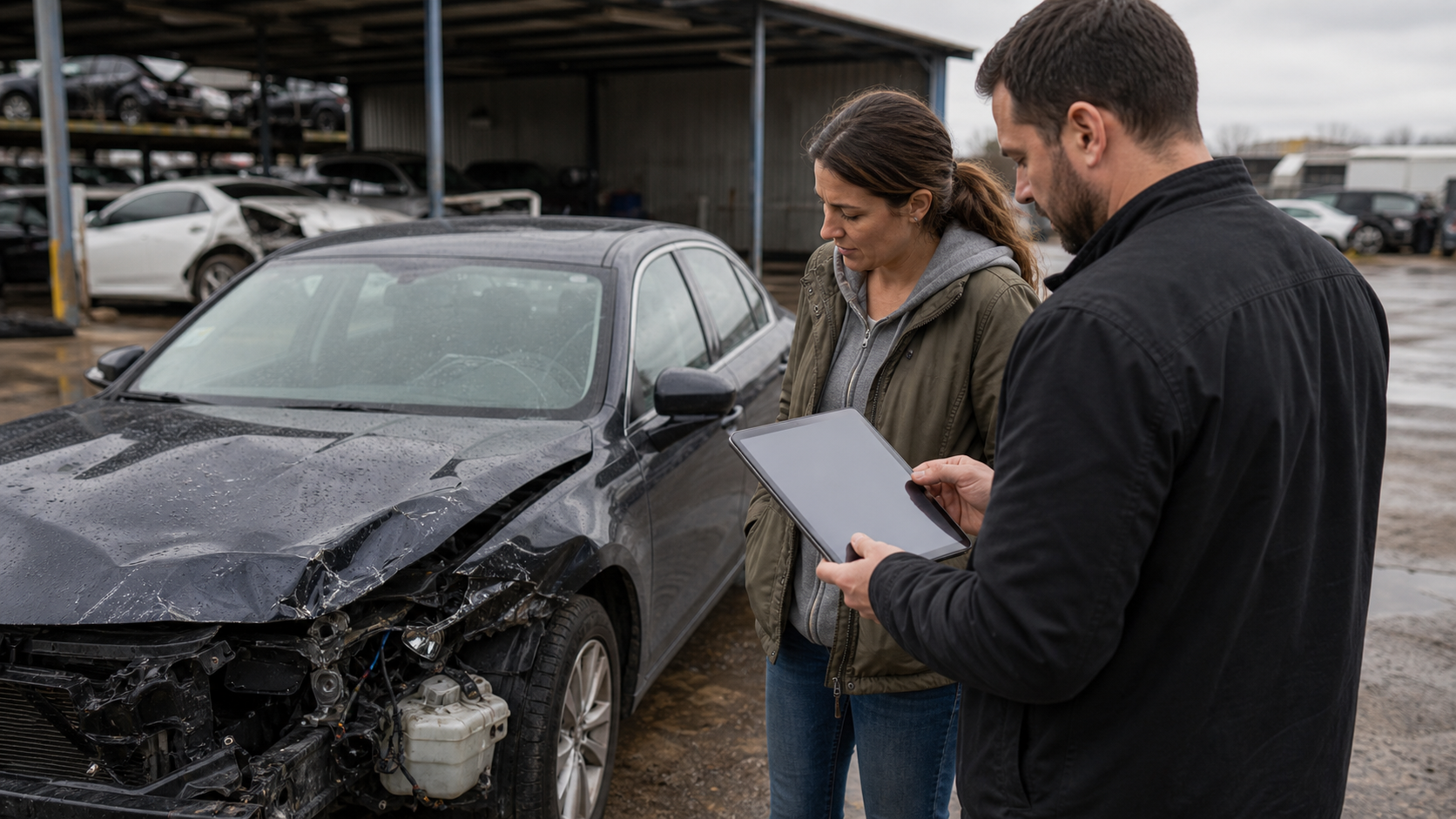
This distinction becomes critical in real-world scenarios. If you are involved in an accident and your car is severely damaged, liability insurance alone will not help with repair or replacement costs. Full coverage ensures that you are not left bearing the full financial burden.
Another key difference is the impact on long-term financial stability. While liability insurance may save money upfront, it can lead to higher out-of-pocket expenses in the event of an accident. Full coverage, though more expensive monthly, can reduce the risk of large, unexpected costs.
The decision between these two options is not just about price—it is about how much risk you are comfortable carrying and how prepared you are to handle potential expenses.
When Liability Insurance Might Be Enough
There are situations where liability insurance alone can be a practical and reasonable choice. The key is understanding when the reduced coverage aligns with your financial situation and the value of your vehicle.
Drivers with older cars that have low market value often choose liability insurance. If the cost of full coverage exceeds the value of the vehicle, it may not make financial sense to pay for additional protection. In these cases, the potential payout from a full coverage policy may not justify the higher premiums.
Liability insurance can also be a viable option for drivers with strong financial reserves. If you have the ability to cover repair or replacement costs out of pocket, you may be comfortable taking on more risk in exchange for lower monthly payments.
Additionally, drivers who use their vehicles infrequently or have a very low risk profile may find that liability insurance meets their needs. However, even in these situations, it is important to maintain adequate liability limits to protect against potential claims.
Choosing liability-only coverage should be a deliberate decision based on careful evaluation, not simply a way to reduce costs.
When Full Coverage Becomes the Smarter Choice
Full coverage insurance is often the better option for drivers who want comprehensive protection and financial peace of mind. This is especially true for those with newer or higher-value vehicles.
If your car is financed or leased, full coverage is typically required by the lender. This ensures that the vehicle is protected in the event of damage or loss, safeguarding both you and the lender’s investment.
Drivers who rely heavily on their vehicles for daily commuting or work may also benefit from full coverage. The ability to repair or replace your car quickly after an accident can be essential for maintaining your routine and income.
Full coverage is also a smart choice in areas with higher risks of accidents, theft, or severe weather. Comprehensive coverage provides protection against a wide range of unexpected events, making it a valuable addition in these environments.
For many drivers, the decision ultimately comes down to risk tolerance. Full coverage offers a higher level of security, reducing the likelihood of significant financial setbacks.
How to Balance Cost and Coverage Effectively
Finding the right balance between cost and coverage requires a thoughtful approach. Rather than choosing between liability and full coverage as a binary decision, consider how you can customize your policy to meet your needs.
Adjusting your deductible is one way to manage costs. A higher deductible can lower your premium while still maintaining comprehensive protection. This approach works best if you have savings set aside to cover the deductible in case of a claim.
Evaluating coverage limits is another important step. Increasing liability limits can provide greater protection without dramatically increasing your premium, while fine-tuning collision and comprehensive coverage can help you control costs.
Shopping around and comparing quotes from multiple insurers is essential. Rates can vary widely, and finding the best combination of price and coverage often requires exploring different options.
Discounts can also play a significant role in reducing costs. Safe driving, bundling policies, and installing safety features can all contribute to lower premiums.
By taking a strategic approach, you can create a policy that offers strong protection without exceeding your budget.
Making the Right Choice for Your Driving Future
Choosing between full coverage and liability insurance is not just a financial decision—it is a strategic one that impacts your long-term security and peace of mind. The right choice depends on your vehicle, your financial situation, and your tolerance for risk. In 2026, the stakes are higher than ever. Vehicle repair costs continue to rise, and the complexity of modern cars makes accidents more expensive to resolve. At the same time, insurers are offering more flexible options, allowing drivers to tailor their coverage to their specific needs. The best approach is to evaluate your situation honestly. Consider the value of your vehicle, your ability to handle unexpected expenses, and the level of protection you want. By doing so, you can choose a policy that aligns with your priorities and supports your financial well-being. Whether you opt for liability insurance or full coverage, the goal is the same: to drive with confidence, knowing that you are prepared for whatever the road may bring.